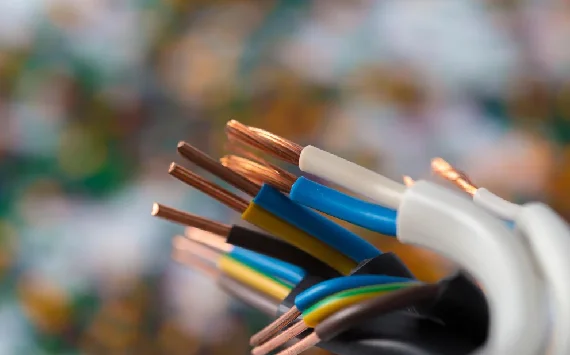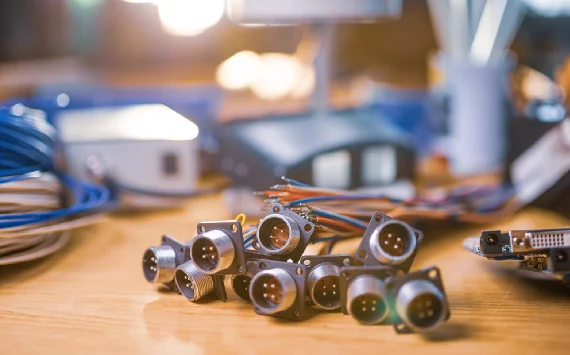

Selecting the ideal electronic wire can be confusing due to multiple options, gauges, insulation types, and applications. Choosing the wrong wire may cause overheating or device failure. Here are expert tips to help you make the right choice.
1. Check the Wire
The thickness of the wire determines how much current it can carry.
-
Lower AWG = thicker wire = more current capacity
Use thicker wires for motors, inverters, and high-load devices.
2. Prefer Copper Wires
Copper wires offer higher conductivity, durability, and safety.
For critical setups, copper is always the best choice.
3. Choose the Right Insulation
Common insulation materials include:
-
PVC: Budget-friendly, durable
-
FR/FRLS: Flame retardant
-
Silicone: High-temperature resistance
4. Flexibility Matters
If the wire needs frequent bending (like robotics or speakers), choose multi-strand flexible wires.
5. Safety Certifications
Always choose wires with proper certification like:
-
ISI
-
RoHS
-
CE
Conclusion:
A well-chosen wire ensures smooth current flow, device protection, and long-term reliability. Compare specifications before deciding.